Arcade
 Adventure
 Shooter
 Girl
 Puzzle
 Sport
 Horror
 Board
 Airplane
 Animal
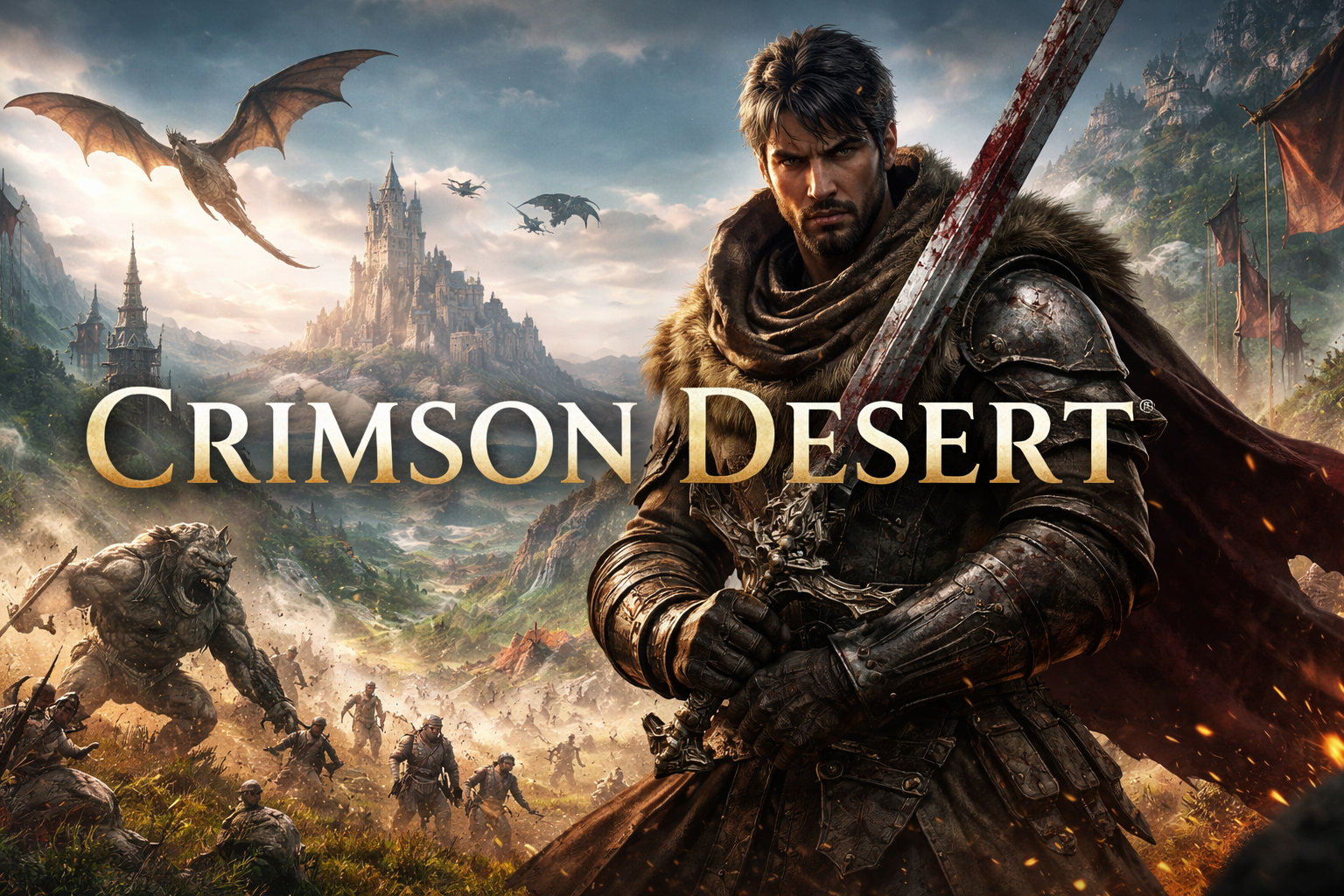
Combat That Rewards Creative Brutality
Kliff hits with a visceral ferocity that transforms each encounter into a fluid performance. You can chain thrusts into dropkicks, leap for explosive slams, suplex enemies off cliffs, pull them with your grappling hook, or surprise them with wrestling moves like an RKO. The skill tree avoids flat stat boosts, instead adding more context-sensitive moves to your repertoire. Enemies swarm intelligently, forcing parries, dodges, and repositioning rather than passive waiting. However, the combat’s rhythm is frequently interrupted by a deeply frustrating inventory system. You possess only a few backpack slots, and absolutely everything—extra weapons, crafting materials, tools, quest items, furniture, cooked meals, books, bugs, flowers—takes up space. There is no storage chest at your camp or house, forcing you to sell or drop valuable upgrade materials just to make room. Cooking, the only reliable healing method, requires multiple ingredients that rarely fit together in your limited slots. Enemy bodies despawn after clearing camps, meaning a single lentil might be your only loot from a major fight. These are not difficulty spikes; they are design friction that adds nothing but irritation.
Narrative Shallowness Hides Rich Lore
The story follows Kliff and his Greymane brothers after an ambush by the Black Bears leaves him killed and thrown into a river. He is resurrected by a mysterious technological force, and within an hour, a beggar transports him to a floating sky fortress. Kliff never questions any of this. Dialogue shifts between Game of Thrones-style accents and sci-fi monologues, but the game violates “show, don’t tell” by instead adopting “don’t show or tell.” Key events, locations, and characters are mentioned as if you should already know them, with actual lore buried in a pause-menu Knowledge tab. In one side quest, I fought Saigord, the Staglord, without any context; afterward, his entry read: “The king of a forgotten realm, erased from history as if he never existed. Though he has lost his people, his riches, and even his sanity, he remains shackled to the crushing weight of a duty he refuses to abandon.” That evocative backstory never appears in the actual quest, which centered on finding missing soldiers. This pattern repeats constantly, turning potentially memorable encounters into hollow boss rushes.
Quest Variety and Distractions Save the Grind
Despite narrative letdowns, Crimson Desert offers staggering quest variety: massive battles, murderous crow-obsessed killers, lost sheep retrieval, merchant guild overthrows, bounty hunting, arm wrestling, hand-to-hand combat, archery duels, rock-paper-scissors, horse racing, bulk item trading based on market trends, bank interest accumulation, fishing, cooking, tree chopping, and ore mining. On one exploration journey, I reached a cove of rocky spires, used my wingsuit to glide between them (climbing almost any surface as long as stamina lasts), discovered airships, stumbled into an ongoing war between orcs and steampowered mechanical bugs, fled into a stunning valley, and found Tinkerton—an anomalous town with electric streetlights, robots working crop fields, drones, and a steam train. This level of unguided discovery is rare. The map only shows names for unvisited locations like Mistveil Forest, The Crimson Wall, Mountain of Frozen Souls, and Rattlesnake Steppe, each name urging you to seek it out purely for the joy of seeing what strange biome or enemy type awaits.
Strategic Analysis: Where Ambition Overreaches Practicality
Pearl Abyss has stitched together so many ideas—dragon-flying, mech-piloting, Shadow of the Colossus-style boss fights, wingsuit traversal, grappling hook slingshots, jetpacks, fishing simulators, and stock market trading—that the game occasionally feels like a tech demo for a dozen different titles rather than a cohesive whole. The inventory crisis reveals a fundamental misunderstanding of player psychology: you cannot build a game that rewards exploration with hundreds of unique items while simultaneously punishing players for carrying those items. This is not a bug; it is a design philosophy that prioritizes “realism” over fun, and it directly contradicts the game’s otherwise celebratory tone of absurdity. Furthermore, the decision to hide essential character lore in a pause-menu tab suggests either rushed development or a mistaken belief that players enjoy reading encyclopedia entries instead of experiencing stories. Traditional AI-generated reviews often miss this tension: they celebrate the open world’s scale without noting how inventory caps actively discourage exploration. When you know that every flower you pick might force you to drop a rare upgrade material, you stop picking flowers. That kills curiosity, which kills the game’s primary joy.
Conclusion: A Flawed World Worth Getting Lost In
Based on available data from extensive playthroughs, Crimson Desert will polarize players into two camps: those who tolerate its inventory and narrative shortcomings for the sake of unparalleled exploration and combat, and those who bounce off its friction points entirely. Pearl Abyss has demonstrated the technical capability to patch inventory storage and quest-logic issues, but the shallow storytelling and tonal whiplash between George R.R. Martin fantasy and sci-fi shenanigans are harder to retrofit. Expect post-launch updates to address the most egregious inventory annoyances within three to six months, followed by a dedicated cult following that praises the game as a misunderstood gem. For now, Crimson Desert is not too good to be true—it is exactly as good and as flawed as a game with zero restraint and maximum ambition can be. If you can ignore the cracks, you will find a world that rewards your curiosity with moments no other game dares to deliver.
Frequently Asked Questions About Crimson Desert
1. What exactly is Crimson Desert?
Crimson Desert is an open-world action-adventure game, developed by Pearl Abyss as their first single-player title. It blends high fantasy with steampunk and sci-fi elements, putting you in the role of Kliff, a resurrected mercenary on the continent of Pywel. The game emphasizes free exploration, visceral combat, and a staggering amount of side activities—from dragon-flying and mech-piloting to fishing, gambling, and stock market trading.
2. Is the open world actually worth exploring?
Yes, absolutely. The review describes the open world as “breathtaking,” “technologically impressive,” and “fascinating to explore.” You can climb almost any surface, use a wingsuit and grappling hook to traverse vertical spaces, and stumble upon unmarked locations like a steampunk bug war, an electric-powered town called Tinkerton, or ancient ruins. The map only shows names for places you haven’t visited, which encourages genuine curiosity rather than checklist completion.
3. How does the combat feel?
The combat is described as “visceral,” “fluid,” and “delightful.” Kliff can chain combos, dropkick enemies, suplex them, pull foes with a grappling hook, and even use telekinetic abilities like Nature’s Grasp to lift objects (including fallen tree trunks) as weapons. Enemies swarm intelligently, forcing you to parry, dodge, and reposition. The skill tree adds new moves rather than boring stat increases, making you feel like a “medieval John Wick.”
4. What are the biggest problems with the game?
Two major issues stand out. First, the inventory system is extremely frustrating: you have very few slots, everything takes up space (weapons, armor, crafting materials, quest items, food, bugs, flowers), and there is no storage chest at your camp or house. You are forced to sell or drop valuable items just to make room. Second, the narrative is shallow and poorly told. Key lore about characters and factions is hidden in a pause-menu Knowledge tab instead of being woven into quests, so you often fight important bosses without knowing who they are.
5. Is the story any good?
Not particularly. The review calls it “not bad, but not particularly compelling.” The tone shifts awkwardly between Game of Thrones-style fantasy and sci-fi shenanigans. Kliff adapts to being resurrected, given a futuristic grappling hook, and told to save reality—without ever questioning any of it. The game violates “show, don’t tell” by often showing nothing and telling nothing, leaving you to read lore entries after the fact.
6. What kind of side activities can I do?
A ton. You can hunt bounty targets, gamble in parlour games, arm wrestle, do hand-to-hand combat, archery duels, rock-paper-scissors, horse racing, trade items based on market trends, invest money in a bank for interest, fish, cook, chop trees, mine ore, decorate your home, and more. Quest variety is also high, ranging from massive battles to finding lost sheep.
7. Does the game have bugs or technical issues?
The review doesn’t report significant bugs or crashes. However, it notes an annoying design quirk: enemy bodies despawn after clearing a camp, meaning you might loot only a single lentil from a major fight. Remaining items are automatically sent to a chest at your camp, but the process is awkward and disrupts flow.
8. How long does it take to finish?
The review doesn’t give a specific hour count, but given the open world’s scale and the sheer number of distractions, it suggests dozens of hours for a completionist run. You can easily spend hours just exploring in one direction without touching the main quest.
9. Is Crimson Desert “too good to be true” based on the trailers?
Not entirely. The trailers showing dragon-flying, mech-piloting, and Shadow of the Colossus-style boss fights are real—you can do all of that. However, the game’s flaws (inventory misery, weak storytelling, disjointed tone) prevent it from being the flawless masterpiece the trailers might suggest. The review concludes it’s “not too good to be true” but rather “exactly as good and as flawed as a game with zero restraint and maximum ambition can be.”
10. Should I buy it now or wait?
That depends on your tolerance for inventory frustration and shallow narratives. If you prioritize exploration and combat above all else, buy it now—the open world is described as “special” and worth getting lost in. If inventory management and story matter greatly to you, consider waiting for post-launch patches. The review predicts that Pearl Abyss will address the worst inventory issues within three to six months after release.